QUEEN ELIZABETH N.P
''A Medley of Wonders''
Queen Elizabeth N.P
Queen Elizabeth National Park is Uganda’s most popular and biodiverse safari destination, offering breathtaking landscapes, abundant wildlife, and rich cultural heritage. Straddling the equator, the park features monuments marking the exact spot where it crosses latitude 00, adding to its uniqueness.
Originally founded as Kazinga National Park in 1952, it was renamed in 1954 to commemorate a visit by Queen Elizabeth II of England. Today, it stands as one of Africa’s greatest wildlife havens, home to over 95 mammal species and an astonishing 600+ bird species—making it a paradise for nature enthusiasts.
What to do
Safari Game viewing / drive
Kasenyi Plains: Known for large herds of Uganda kob (antelopes), which attract lions. You’ll also spot elephants, buffaloes, and warthogs. The open savannah makes wildlife viewing easy and photogenic.
Tree Climbing Lions Experience
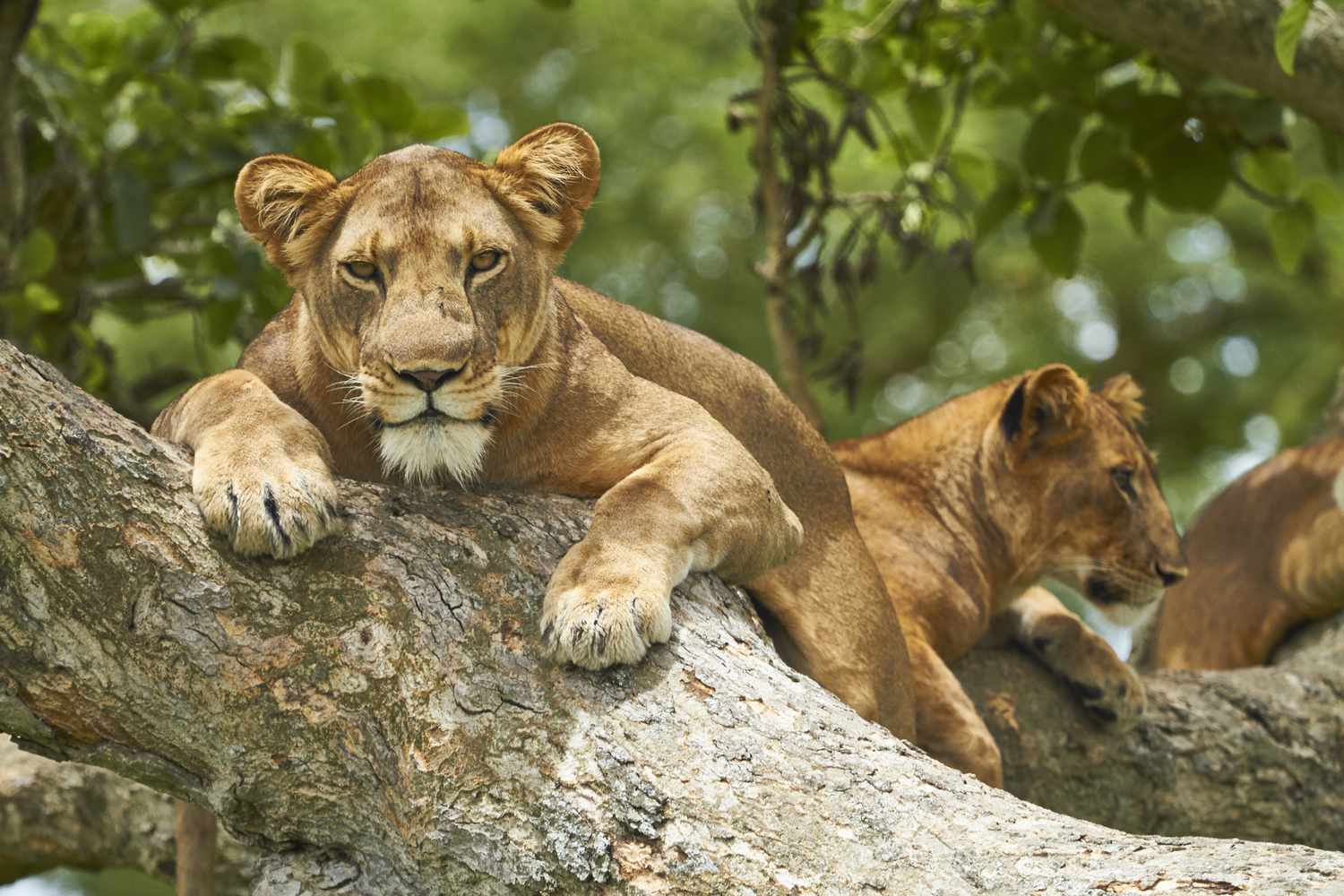
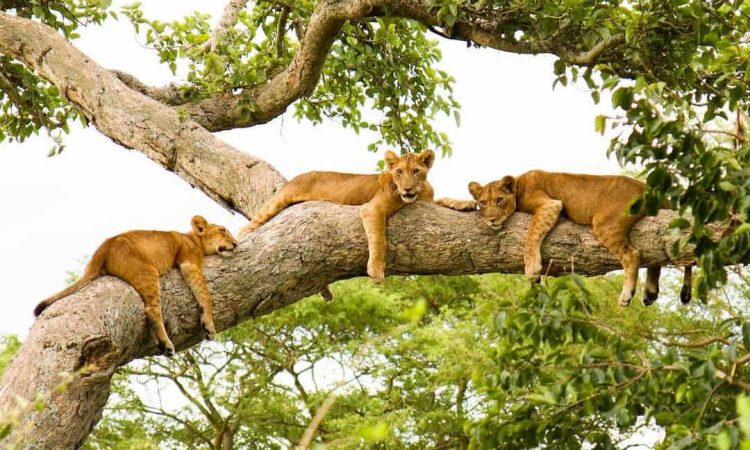
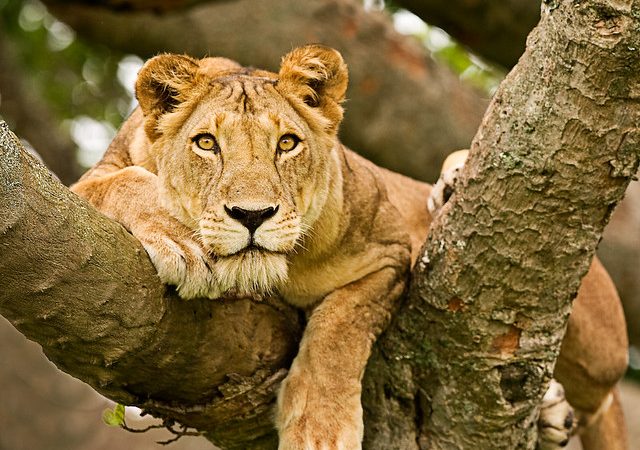
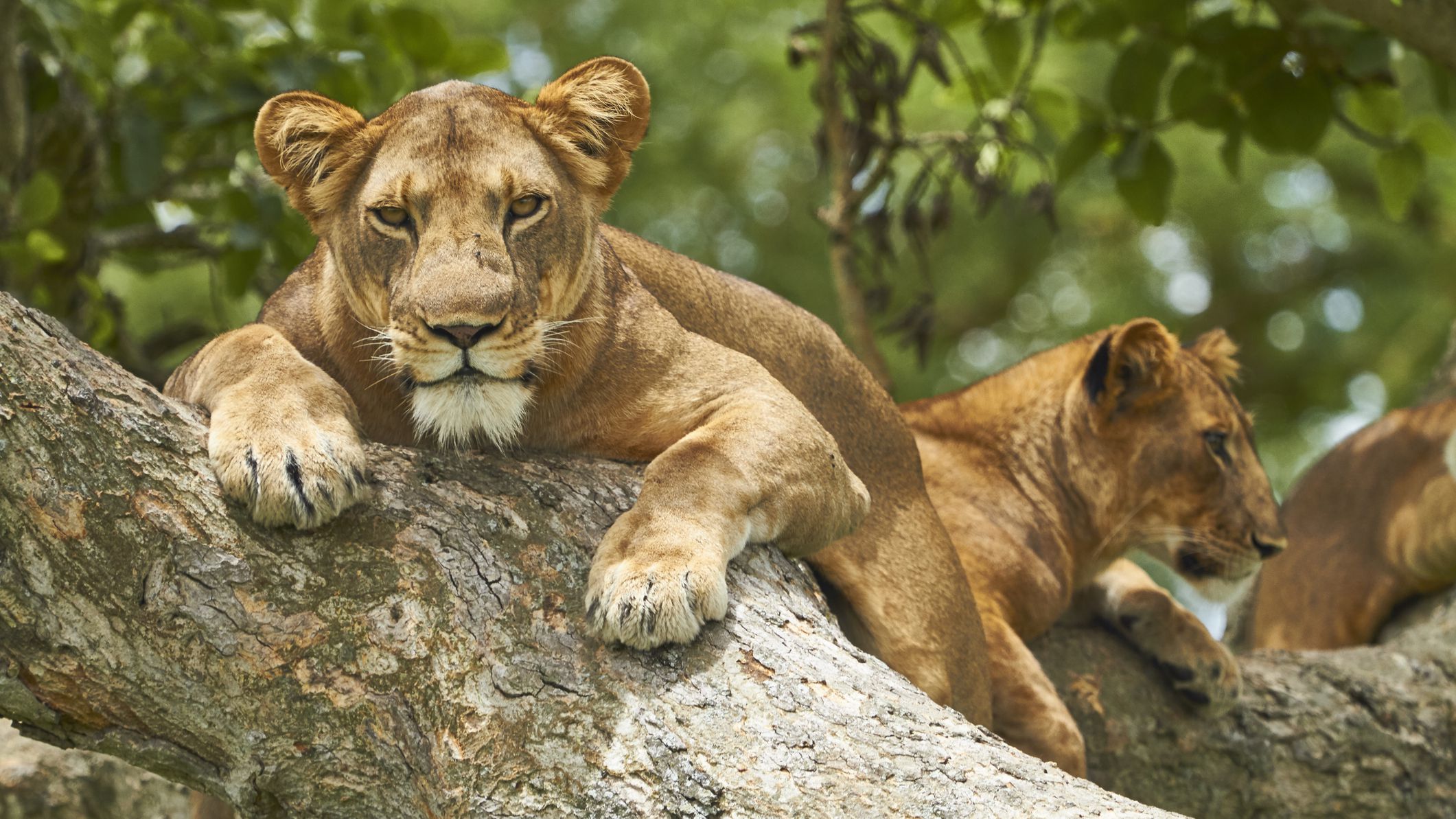
Ishasha Sector: Famous for tree-climbing lions, a rare behavior seen only here and in Tanzania’s Lake Manyara. Lions rest in fig trees to escape heat and insects, offering iconic safari photo opportunities.
Kazinga Channel Boat Cruise
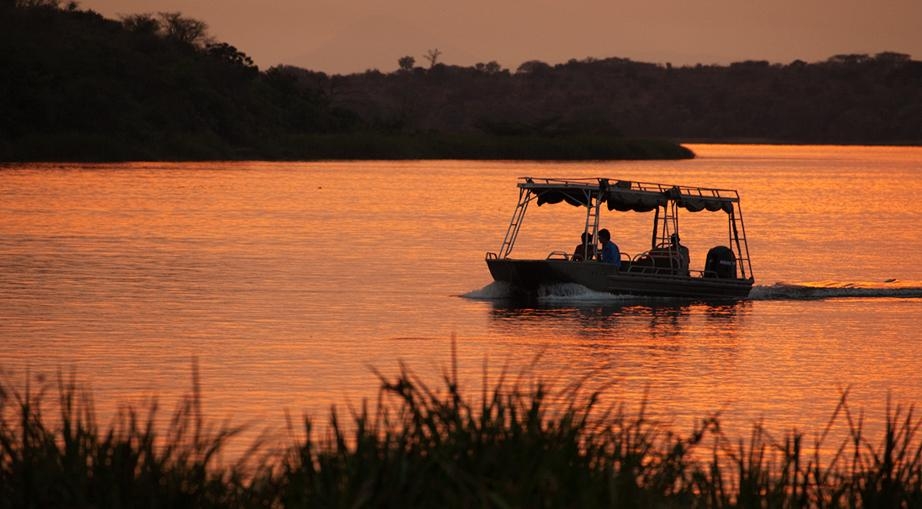
A 32 km natural waterway linking Lake George and Lake Edward. Boat trips provide close encounters with hippos, crocodiles, elephants, and buffaloes along the banks. Birdlife is spectacular, kingfishers, African fish eagles, pelicans, and saddle-billed storks are common sightings. Cruises typically last 2 hours and are considered one of the park’s highlights.
Kyambura Gorge – Chimpanzee Tracking
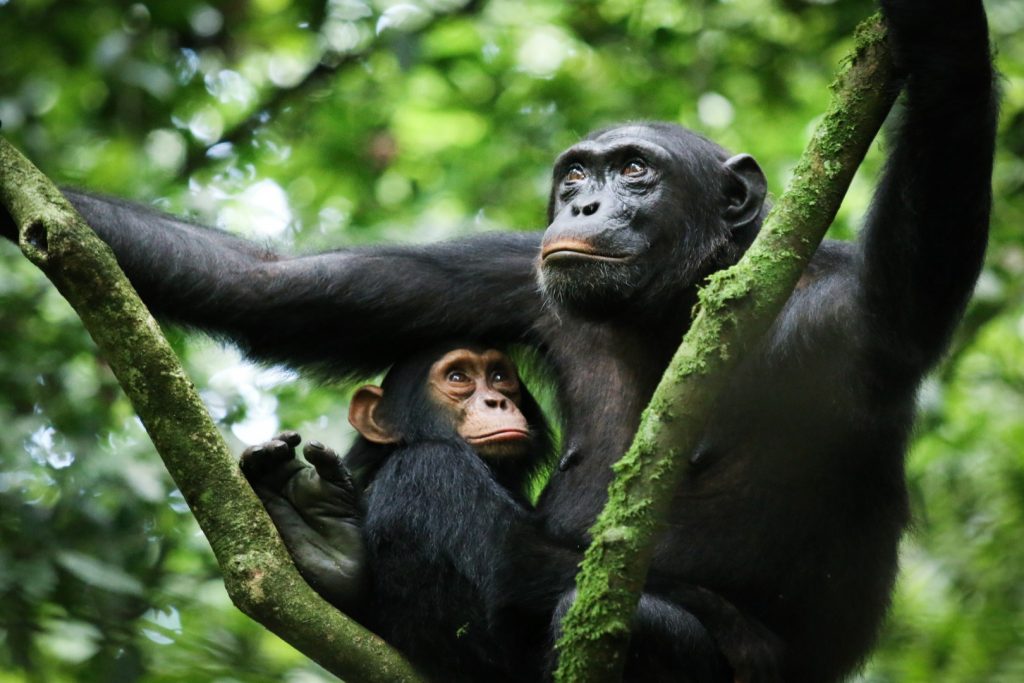
A dramatic 100-meter-deep valley carved by the Kyambura River. Dense tropical forest shelters chimpanzees, black-and-white colobus monkeys, and red-tailed monkeys. Guided treks offer a chance to track chimps, though sightings are less guaranteed compared to Kibale Forest. The gorge itself is breathtaking, often called the “Valley of Apes.”
Crater Lakes Exploration
The park is dotted with volcanic crater lakes formed by ancient eruptions. Scenic drives around the crater region reveal salt pans, fishing villages, and stunning viewpoints. Lake Katwe is notable for traditional salt mining, a practice dating back centuries. These lakes add geological and cultural depth to the safari experience.
Cultural Experiences
Local communities around the park offer traditional dance performances, storytelling, and craft markets. Visits to fishing villages along Lake Edward and Lake George provide insight into daily life. Salt mining tours at Lake Katwe showcase indigenous techniques and history. Community-based tourism helps support conservation and livelihoods.
Kazinga Channel Boat Cruise: Hippos, crocodiles, elephants, and waterbirds.
Kyambura Gorge Trek: Chimpanzee tracking in a dramatic valley.
Crater Lakes Exploration: Scenic drives and salt mining at Lake Katwe.
Cultural Encounters: Village visits, traditional performances, and craft markets.
Wet Seasons: March–May & October–November → Lush scenery, excellent birding, but roads can be muddy.
Big Game: Elephants, buffaloes, hippos, crocodiles, and antelopes.
Primates: Chimpanzees in Kyambura Gorge.
Birds: Over 600 species, making it a birding paradise.
Wear light, breathable clothing with neutral colors; pack a rain jacket.
Malaria is present—use mosquito repellent and consult your doctor about prophylaxis.
Book chimpanzee tracking permits in advance (limited availability).
Guided tours are recommended for the best experience.
Mid-Range: Enganzi Lodge, Elephant Plains Lodge.
Budget: Campsites and community-run lodges.
Foreign Residents: $30 per adult/day
Ugandan Citizens: UGX 20,000 per adult/day
Children pay reduced fees.